
Introduction
Welcome to AAPD’s 30th Anniversary Gala… and cheers!
More than 30 years ago in Washington, D.C, Paul G. Hearne and John K. Kemp had a meeting. They wanted to talk about disabled people. They talked about the problems that disabled people faced. They also talked about disability rights. They wanted to form an organization run by and for people with disabilities.
After this, they celebrated with each other, because that meeting is what led to AAPD. AAPD stands for the American Association for People with Disabilities.
AAPD focuses on all people with disabilities, no matter what type of disability. AAPD makes sure to involve people with disabilities in its choices and its community. Disabled people are the reason AAPD has had success in the past.
Every time AAPD has had a challenge, our community was there with us. Even in the future, AAPD’s successes will still be because of disabled people. We love our community. That is why the theme for this party is “Powered by Community.”
Toast with us tonight, like John and Paul did more than 30 years ago. Celebrate our power, our successes, the future, and our community who has made it all possible.
Letter from Maria Town, CEO
Dear Community,
We are at a critical moment. Right now, people with disabilities are fighting threats to equal education. We are fighting for accessible employment. We are fighting for places to live that aren’t too expensive.
It’s so important that we remember to also celebrate our wins, like today! Today is the 30th anniversary of AAPD!
AAPD is stronger than ever thanks to our community.
In the last month, we got together 120 disability advocates from 33 states to meet with lawmakers. Advocates met with lawmakers to discuss issues that affect the disability community. There was a total of 126 meetings. They met to talk about equal pay, funding special education, and allowing people on Social Security to save more money without losing their insurance.
We also celebrated and organized Disability Voting Rights Week. This led to hundreds of events all over the country.
Most recently, we made resources about the government shutdown. We also made resources about the large amount of people who work for the government losing their jobs. We helped organize a huge statement to support the Department of Education. Over 800 organizations signed it!
While this was happening, we also ran our impactful Fall Internship and Disability Mentoring Day programs. These programs help foster young disabled leaders.
Lots of work remains. Our staff, board, and supporters make me excited for the future. We’re going to build this future together. Tonight, we’re celebrating the last 30 years, and celebrating you. All of you are advocates, allies, and leaders who shape the past, present and future of the disability rights and justice movements.
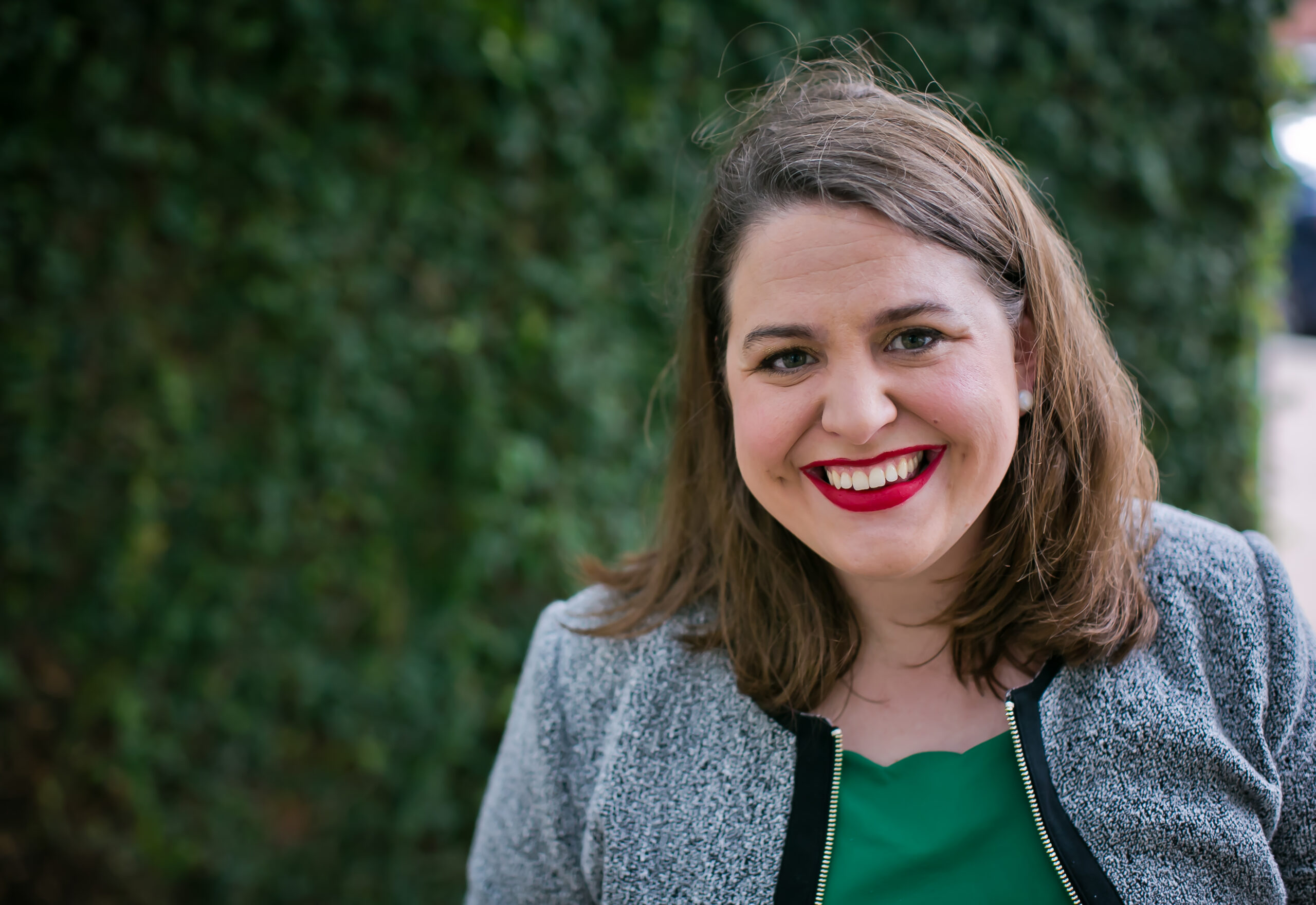
Maria Bio:
Maria Town is the President and CEO of AAPD. This means she runs AAPD. Her job is to advance AAPD’s mission. AAPD’s mission is to increase the political and economic power of people with disabilities. Before this, Maria worked at the Office of the Mayor in Houston. She was the Director of the Office for People with Disabilities. There, she advocated for the rights and needs of people with disabilities. She also was the person other people talked to when they wanted to learn about disability. She worked hard to make sure people with disabilities had equal rights.
Town used to be the Senior Associate Director in the Obama White House Office of Public Engagement. She helped the federal government have better relationships with people with disabilities.
Maria Town also worked as a policy advisor for the Department of Labor’s Office of Disability Employment Policy. This means she worked on the laws that could affect people with disabilities. She led lots of efforts to improve employment outcomes for people with disabilities. She focused on employment of young people with disabilities. Town is a member of the board of the Leadership Conference on Civil and Human Rights. She is from Louisiana, where her family still lives.
Letter from Veronica, on behalf of the board
Dear Friends,
I really enjoy being the Chair on the Board of AAPD. This means that I help steer the organization and make sure it’s serving people with disabilities well. I am very grateful that you are all here celebrating with us. Tonight we are celebrating 30 years of AAPD. I have chronic endometriosis and migraines. Living with these illnesses helped shape my career in civil rights.
I first became aware of AAPD when I was working for the federal government. I worked at the Office of Personnel Management. Their job is to coordinate the hiring of people to work in the federal government. My job there was helping to hire a lot of people with disabilities to work for the federal government. I helped hire 100,000 of them. This work, and my work at Highmark Health, is personal to me. I joined the board of AAPD 4 years ago. I’ve been very involved ever since. I come into the role of Chair with a few clear priorities.
AAPD must continue to advance disability rights. Despite advances in workplace inclusion, disability employment remains extremely low. AAPD’s commitment to increasing employment and economic security for disabled people is a must.
I am very grateful for the dedication of AAPD’s board and staff. I am equally grateful to you all: our partners and supporters. You make our work possible. I am looking forward to continuing this vital partnership with you all for many years to come.
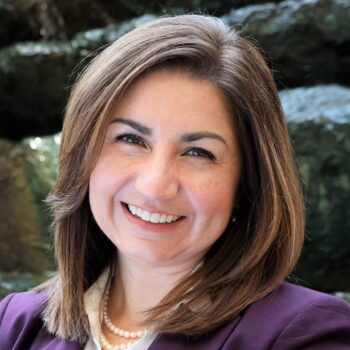
Veronica Bio:
Veronica E. Villalobos is the Board Chair of AAPD. She is also the Vice President for the Institute for Strategic Social & Workforce Programs (S2W) at Highmark Health and Allegheny Health Network. She makes health plans that make sure people have access to care. She makes sure that employers try to be more community-focused. Before this job, she worked in the federal government. She worked at the Office of Personnel Management (OPM) for over 10 years. There, she helped over 100,000 people with disabilities get good jobs.
Before that, she worked at the U.S. Equal Employment Opportunity Commission (EEOC). There, she was an attorney.
Veronica went to college at Saint Mary’s College in South Bend, Indiana. After that, she got her law degree from American University. She is a member of the Maryland Bar. She serves on several Boards, in addition to AAPD. She serves on the Boards of Bender Leadership Academy, the Center for Disability Inclusion, Disability LEAD Pittsburgh, the Epilepsy Association of Western Central Pennsylvania, and Pittsburgh’s Latino Community Center.
Biography of Senator Tammy Duckworth
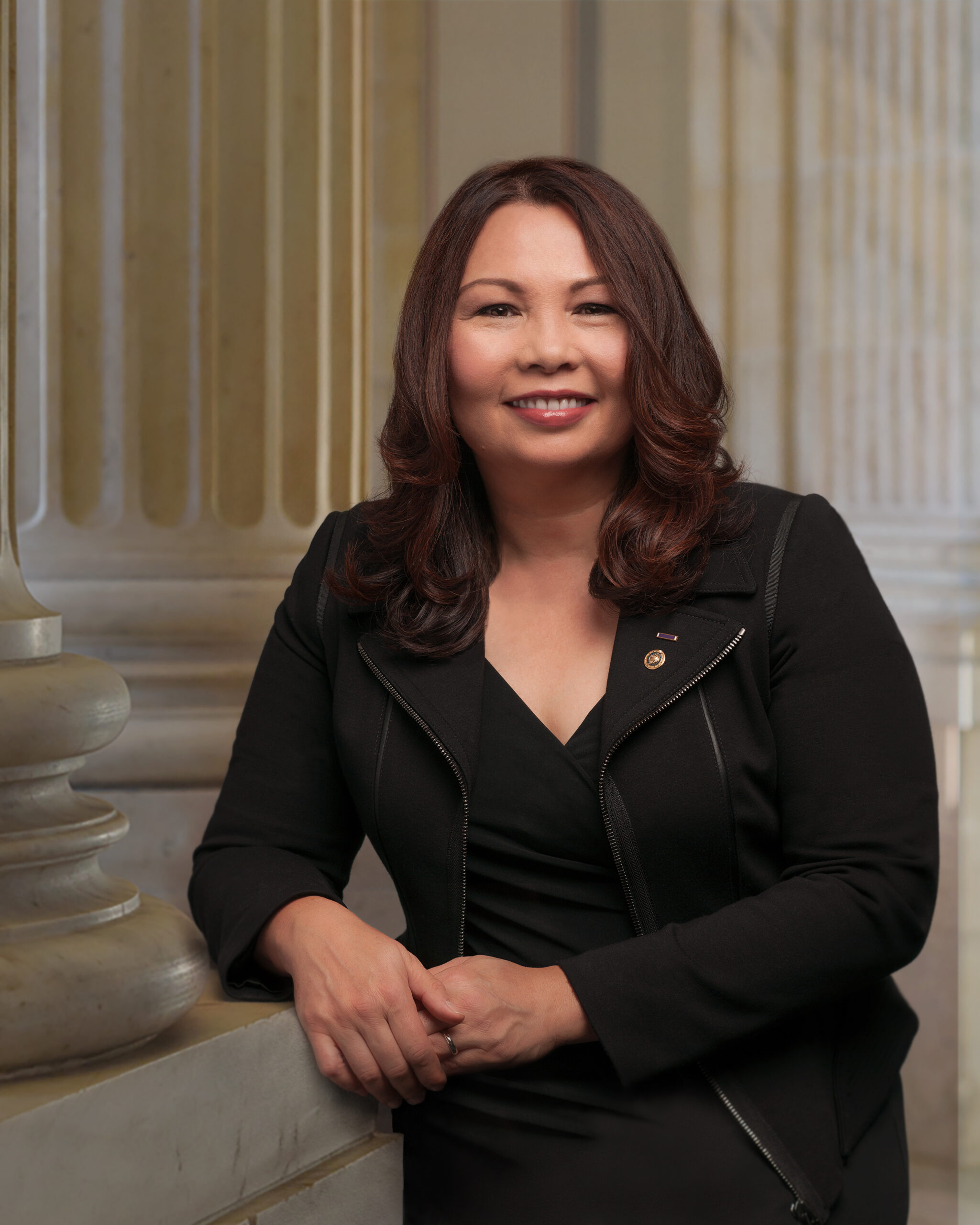
Senator Tammy Duckworth was elected to the U.S. Senate in 2016 after representing Illinois’s Eighth Congressional District in the U.S. House of Representatives for two terms. She is an Iraq War Veteran, Purple Heart recipient, and one of the first Army women to fly combat missions during Operation Iraqi Freedom.
As a member of the Commerce, Science, & Transportation Committee, Duckworth is a leader in helping make air travel safer and improving transportation accessibility. She is also a member of the Armed Services Committee, the Foreign Relations Committee and the Veterans’ Affairs Committee.
In 2004, Duckworth was deployed to Iraq as a Blackhawk helicopter pilot for the Illinois Army National Guard. On November 12, 2004, her helicopter was hit by an RPG and she lost her legs and partial use of her right arm. After she recovered, she became Director of the Illinois Department of Veterans’ Affairs.
In 2009, President Obama appointed Duckworth as an Assistant Secretary of Veterans Affairs, where she worked to help end Veteran homelessness. As a member of the U.S. House from 2012-2017, Duckworth advocated for working families and job creation.
Biography of Congresswoman Ayanna Pressley
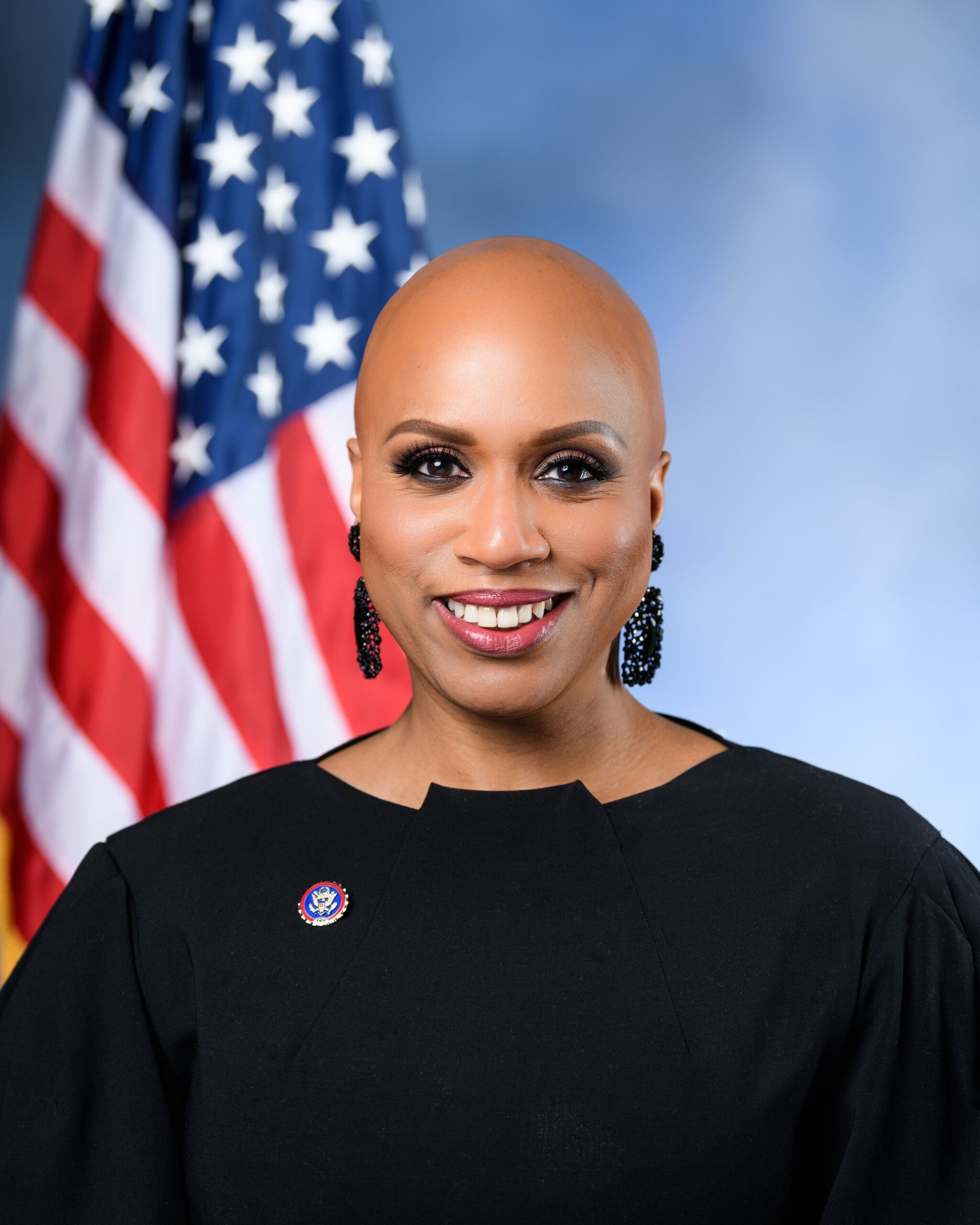
Congresswoman Ayanna Pressley (MA-07) is an activist, a legislator, a survivor, and the first woman of color to be elected to Congress from the Commonwealth of Massachusetts.
Throughout her time in Congress, Congresswoman Pressley has been a champion for justice and healing: disability justice, reproductive justice, justice for immigrants, consumer justice, justice for seniors, justice for workers, justice for survivors of sexual violence, justice for the formerly and currently incarcerated individuals, and healing for those who have experienced trauma.
In 2020, Congresswoman Pressley bravely revealed her experience living with alopecia. She has turned her lived experience into action, becoming a leading voice fighting to raise awareness and support for the Alopecian community across the nation.
Biography of Congresswoman Lateefah Simon
Congresswoman Lateefah Simon is a nationally recognized civil rights leader with more than three decades of experience at the intersection of movement building, government reform, public-private partnerships, and visionary institutional leadership.
In 2016, Congresswoman Simon ran and was elected to the Bay Area Rapid Transit (BART) Board of Directors and later President of the BART Board of Directors, becoming one of the only Black women in the nation to lead a major metropolitan transit agency. As BART Board President, she secured more than $3 billion in emergency funding to sustain transit operations during the COVID-19 pandemic, while also expanding accessibility, equity, and public safety programs across the region.
In 2024, Congresswoman Simon was elected to Congress. Legally blind since birth, she leads with a clarity shaped by lived experience and an agenda forged in the pursuit of justice, equity, and transformative change.

Tonight’s Performer
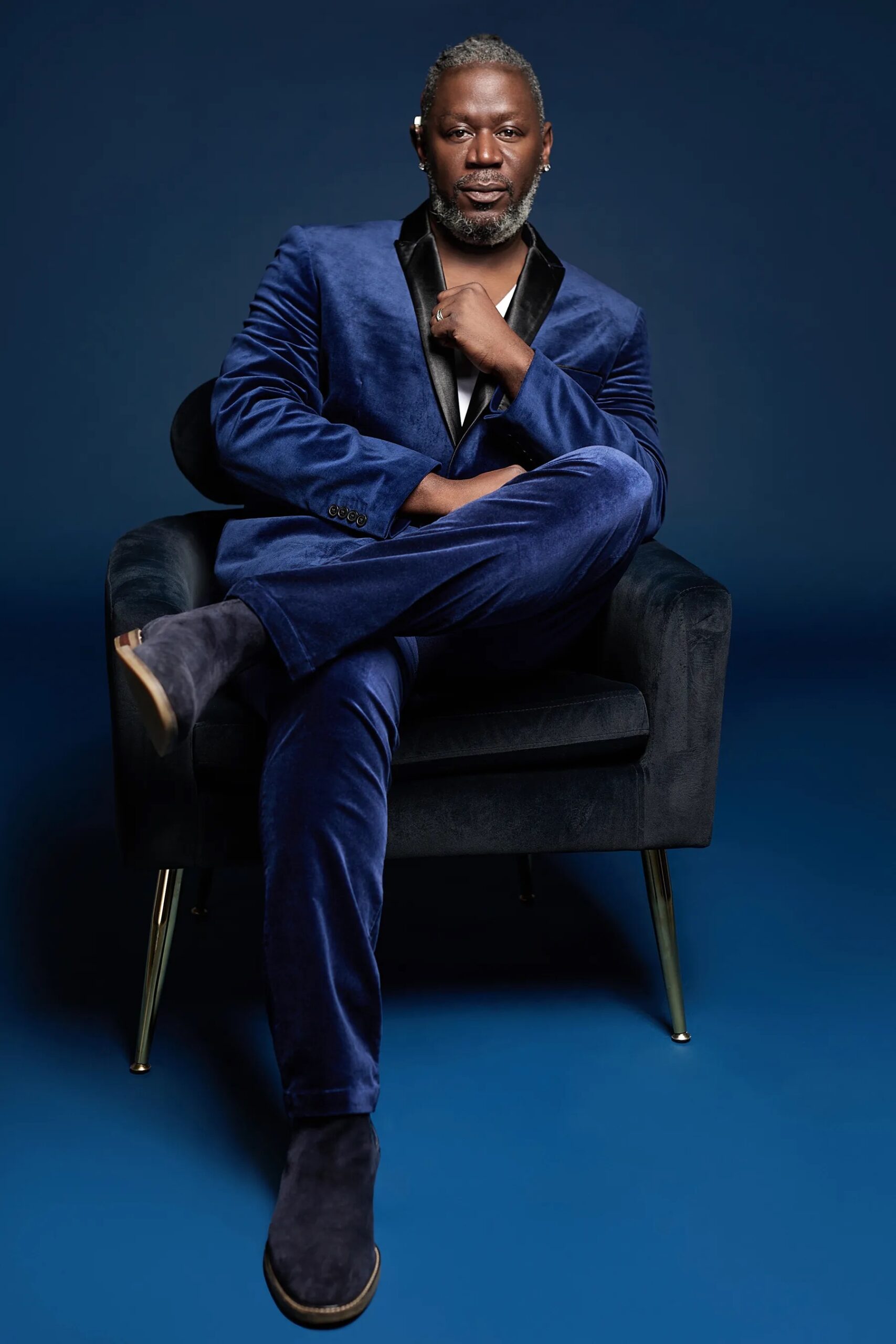
Warren “WAWA” Snipe is a hip-hop artist from the DMV area. He has been making music since 2005. He pioneered a genre of hip-hop called “dip-hop”. Dip-hop means “hip-hop through deaf eyes”. Dip-hop has had critical reception and positive acclaim for over 15 years. WAWA’s unique sound has helped him grow a fanbase and has led to many opportunities. WAWA uses dip-hop to educate people about deaf musicians. This showcases WAWA’s interest in inspiring others to aspire.
WAWA’s talent has not gone unnoticed. In 2021, he performed the National Anthem at Super Bowl LV and the Halftime Show at Super Bowl LVI (2022). He has also made appearances on popular TV shows such as Black Lightning (CW) and Fear the Walking Dead (AMC). WAWA continues to make waves in the music and acting industry.
AAPD’s Earliest History
Right after the Americans with Disabilities Act (ADA) passed Paul G. Hearne and John K. Kemp had a meeting in Washington, D.C. They wanted to talk about disabled people. They talked about the problems that disabled people faced. They also talked about disability rights. They wanted to form an organization run by and for people with disabilities.
Over the next few years, their idea brought together a group of disability leaders. They made an organization called the National Disabilities Study Group. They created this organization for business purposes, but it had a social focus too. It brought together disabled people by hosting holiday parties and other events. This led to a solid base of supporters who all loved the mission of what would become AAPD. This original group of supporters shaped AAPD’s approach to disability.
The organization had a vision. They wanted to bring together groups of people with various disabilities. This was to represent the diversity of disability across the country. This was becoming a reality. The organization also focused on people with disabilities as consumers. People with disabilities spend money on medical equipment and other goods. The founders thought a membership organization could focus the economic power of disabled people.
AAPD’s founders selected people who represented the diversity of the community. They made these choices very carefully. They were: Paul Hearne, John Kemp, Dr. Sylvia Walker, Justin Dart, and Dr. I. King Jordan. On May 31, the Articles of Incorporation were approved.
These founders created AAPD to further the productivity and total integration of disabled people in society. This meant several things. They wanted to make sure the ADA works as it should. Full implementation of the Rehabilitation Act of 1973. They wanted to make sure the laws are followed. They supported policy goals that improve the lives of people with disabilities. This included making sure they have enough money and good jobs. They also wanted to make sure people with disabilities could live independently. This did not start and end with housing. This also included things like technology that could help them. They also educated the public and government on issues that disabled people faced.
Over the next 30 years, AAPD has continued to evolve. AAPD played a large part in passing some laws that have helped disabled people. Many of these laws advance the goals of the ADA. These include the ADA Amendments Act and the 21st Century Communications & Video Accessibility Act. AAPD also helped form regulations to help disabled people have equal rights in other areas. These include places like doctor’s offices, hospitals, websites, and even airplanes.
One key to AAPD’s success is that it puts disabled people first. In its advocacy efforts, lived experience is very important. Seeing disabled people gathered in community is very important. These made some of AAPD’s campaigns more impactful. These campaigns includethe Spirit of the ADA Torch Relay, March for Justice, and, most recently, the Protect Medicaid campaign.
AAPD prioritizes the next generation of disability leaders. Our programs recognize the importance of disablity elders. They also pave the way for the future of the movement.
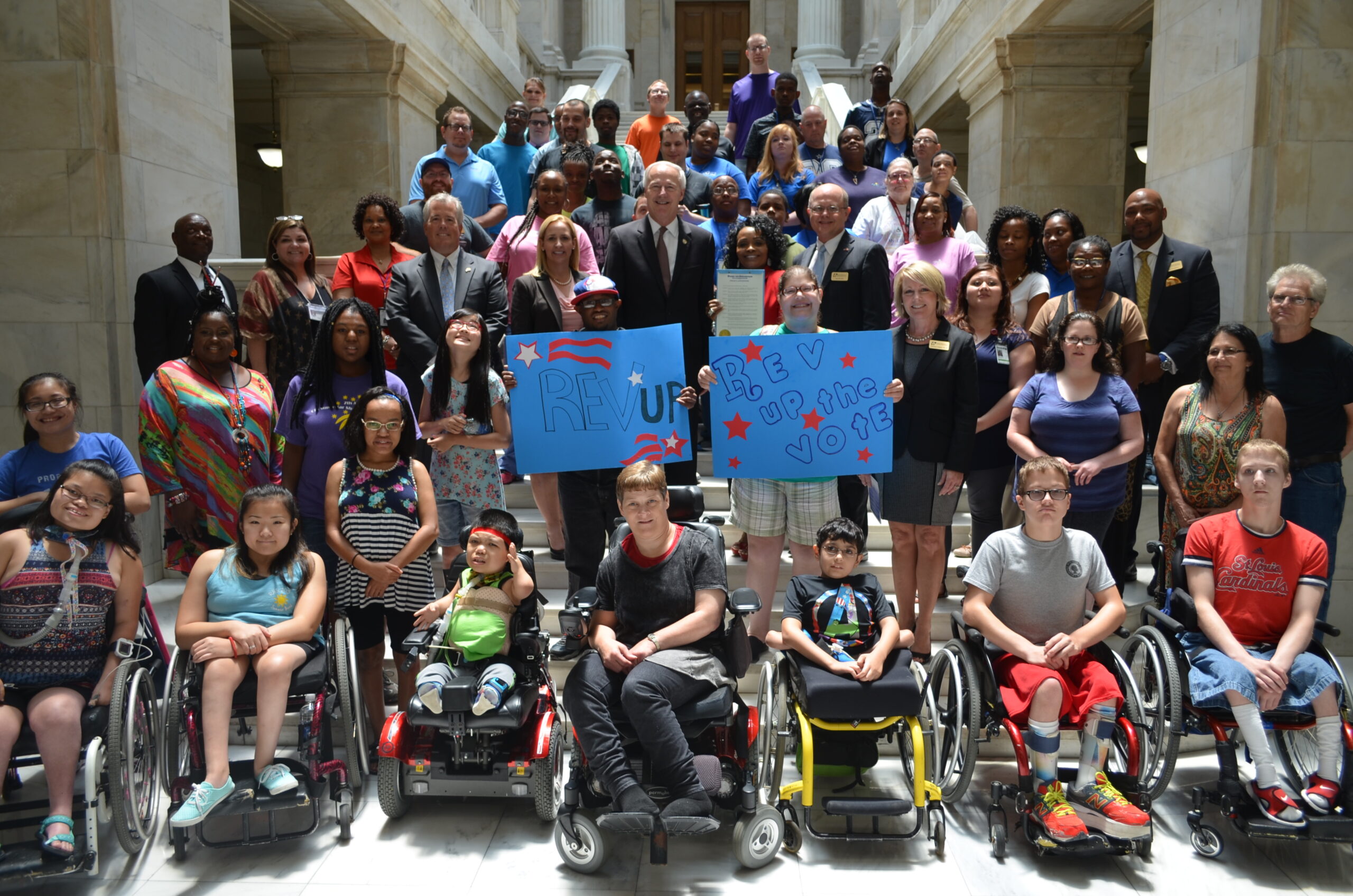
Since the beginning, AAPD has prioritized disabled people in civic engagement. AAPD has a whole dedicated team for accessible democracy. This started as The Disability Vote Project. The goal was to educate people on candidates’ positions on disability issues. That lives on today in our “REV UP” campaign. REV UP supports disability voting efforts in 48 states. REV UP also helps AAPD make sure disabled people talk directly to lawmakers in Congress.
One of the keys to AAPD’s success is working with others. We work with other disability organizations, partners, and individuals. This makes our voice more impactful. We have done this for the last 30 years. We will continue this in the future.
AAPD has led the creations of several groups of people who work together for a common goal. Some examples include: the Interfaith Disability Advocacy Coalition, National Coalition for Accessible Voting, Tech Forum, and We Will Ride Coalition.
AAPD also works with corporations. In 2002, AAPD worked with Digital Credit Union. This allowed disabled people to access bank accounts. Today, AAPD has the Access Coalition. They focus on making stores more inclusive and accessible.
We will continue working in every way we can with partners who can empower disabled people.
Paul G. Hearne Emerging Leader Award
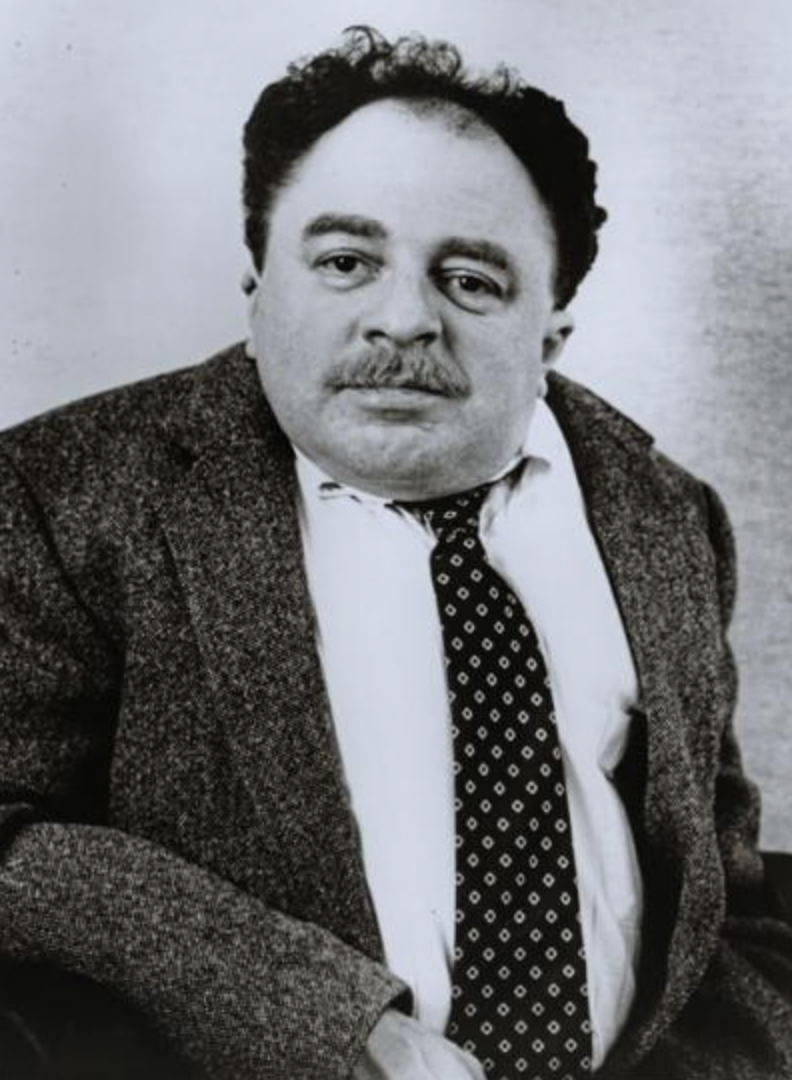
AAPD named an award after one of our founders. His name is Paul G. Hearne. We give this award to upcoming leaders in the disability world. We award people $25,000. Paul G. Hearne was an advocate for disability employment. He was also a founder of AAPD.
AAPD has been giving out this award since 2000. This award honors Paul, his work, and his goal of highlighting disabled people doing important work.
People who get this award receive money and recognition for their work. This work honors and supports the disability rights movement.
The award was originally $10,000. This year we have increased it to $25,000. This is so that we can give winners more support. This is also because the cost of living is higher now.
We want to make sure that this award allows the people who get it to make a larger impact. We also want to make sure that they receive the compensation they deserve for their time and effort.
AAPD is proud that over 75 award recipients in the last 25 years have dreamed up bold ideas, fostered community, and created lasting change.
Click here to see exhibits, videos, and written profiles of Hearne Award recipients created in honor of the 25th anniversary of the award.
AAPD Internship Program
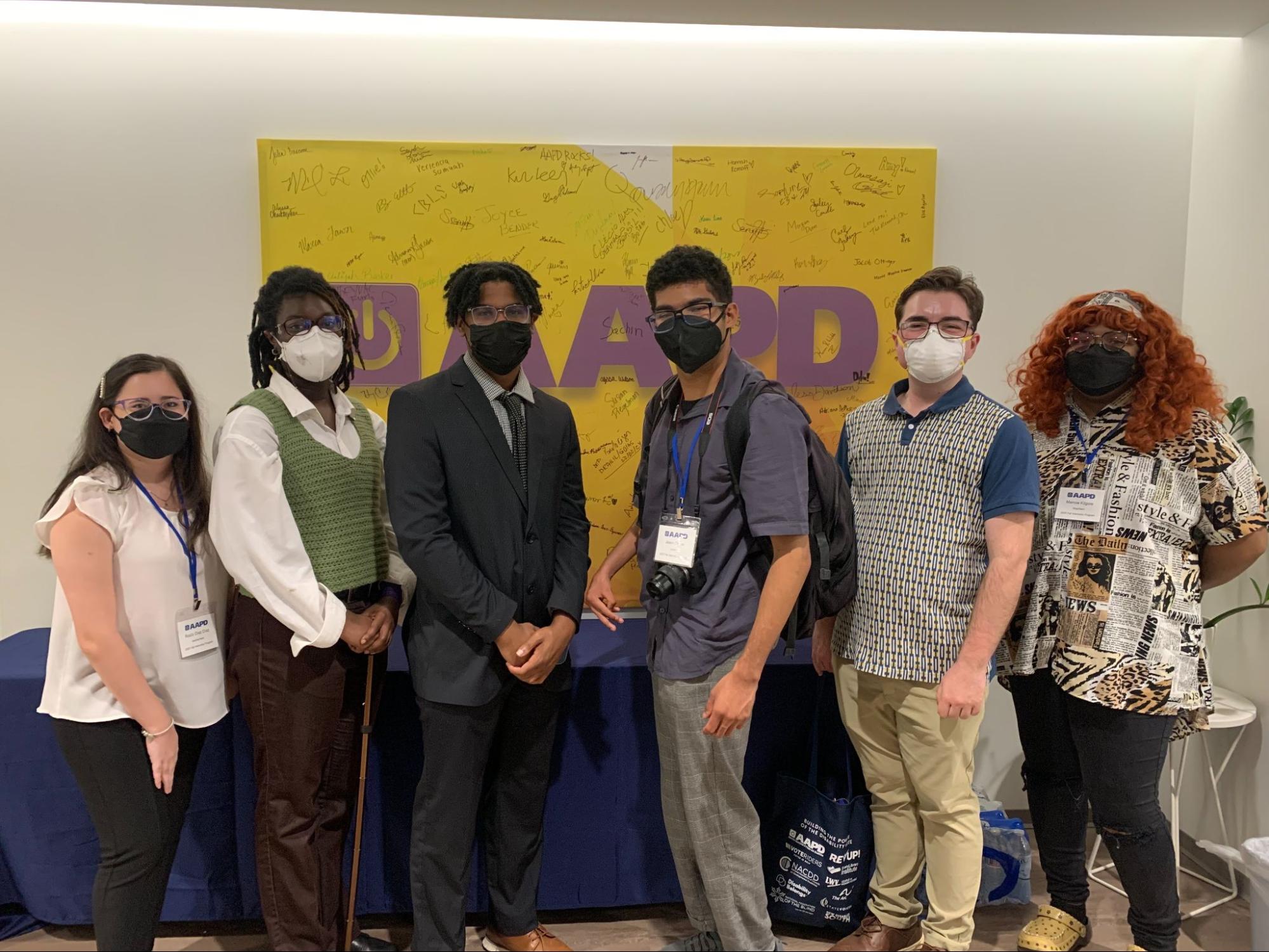
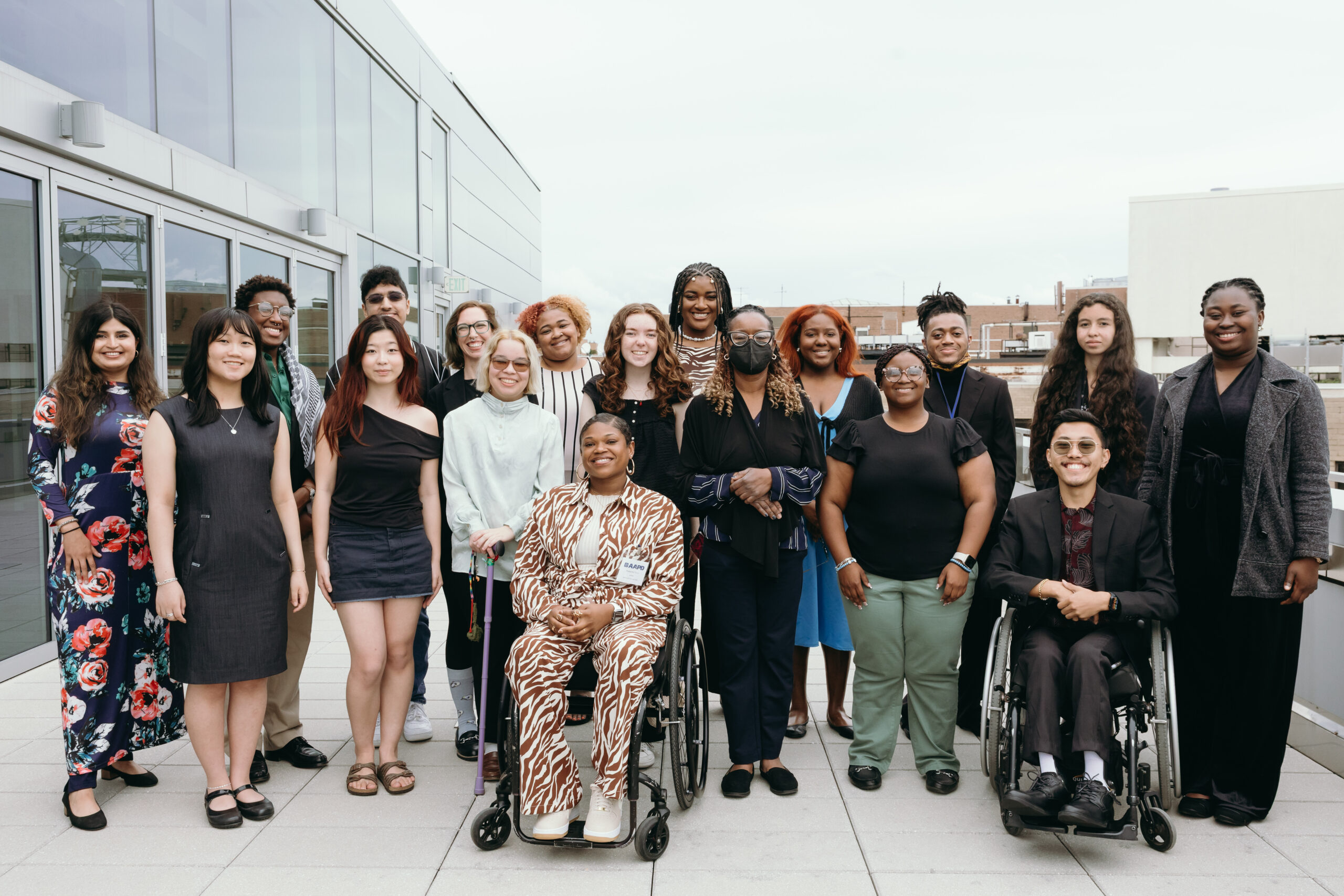
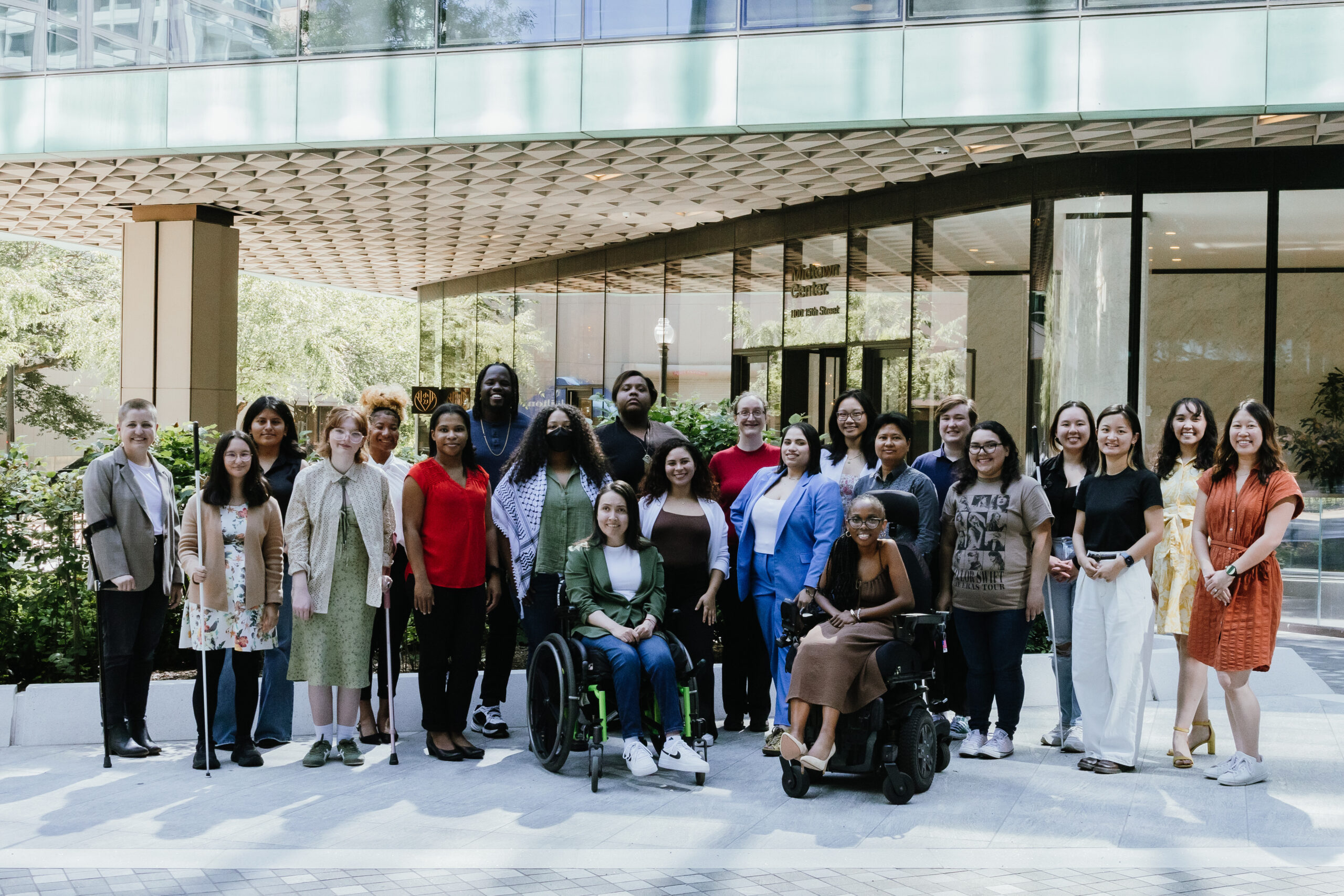
AAPD launched its Summer Internship Program in 2002. AAPD wanted to help students develop their disability identities. AAPD also wanted to positively shape the future of workplaces and communities. AAPD helps people get better jobs, and connects them to other disabled professionals.
AAPD matches interns with agencies in the federal government or lawmakers. They also get matched with companies or nonprofit organizations.
These are paid positions. AAPD provides interns with a mentor and a place to live for the summer. Interns work in-person and remotely in Washington, D.C, or completely remotely.
The internship program has become very popular in recent years.
Due to COVID-19, the 2020 and 2021 internships were fully virtual. In 2022, interns had the choice of remote or hybrid in D.C. In 2023, AAPD added a second internship program in Fall. The Fall Internship Program offers a fully virtual and part-time internship. This allows for more flexibility. AAPD has increased its outreach to specific types of colleges. Examples include: Historically Black Colleges and Universities, Tribal Colleges, and Minority Serving Institutions. AAPD also increased outreach to programs for people with intellectual and developmental disabilities.
AAPD hired a firm to look at how well the Summer Internship Program has done over the last 20 years. The report will come out on December 1. It shows that the program has had a large, positive impact on their careers.
AAPD also has the NBCUniversal Tony Coelho Media Scholarship. It provides eight scholarships to people in higher education, as well as high school seniors. We give this scholarship out every fall.
This scholarship comes from support from NBCUniversal. It is for students interested in careers in media, communications, or entertainment.
Tony Coelho was one of the primary authors and sponsors of the ADA. We named this award after him to honor that.
Coelho has been a partner to and supporter of AAPD since the beginning. He spoke at AAPD’s launch party on July 26, 1995. AAPD is bipartisan. That means it is neither Democrat nor Republican leaning. We work with everyone to fight for disability rights. Rep. Coelho is a Democrat. He stood with another lead sponsor of the ADA: Senator Bob Dole. Senator Dole is a Republican. They spoke together to show that AAPD is bipartisan.
AAPD’s Policy and Advocacy Work
The list below represents highlights from AAPD’s broad policy portfolio.
For the last 30 years, AAPD has worked hard fighting for disability rights. AAPD believes disability rights are civil rights. AAPD does policy work. That means AAPD works with the people who write laws. AAPD does policy work on issues that affect disabled people’s lives and their futures. Here is a list of highlights. These are some of the things AAPD focuses on.
Community Integration. AAPD wants to protect Medicaid, and other programs that help people with disabilities. Programs like this help some people with disabilities live independently.
Inclusive Education. AAPD wants IDEA to be fully funded. IDEA is the “Individuals with Disabilities Education Act”. This law makes sure people with disabilities receive free education in public schools. This helps disabled students succeed. AAPD promotes access to education from preschool all the way through post graduate work. AAPD wants to end barriers within education. This includes things like bullying. It also includes things like use of restraint and isolation in schools. Restraint is when a student is prevented from moving . Isolation is when a student is forced to be alone.
Opportunity and Economic Self-Sufficiency. AAPD wants to end subminimum wage. Subminimum wage is when someone is paid less than $7.25 per hour. AAPD believes everyone should be paid a fair wage. AAPD also wants to expand access to employment that is inclusive for people with disabilities. AAPD wants people with disabilities to save for their futures and retire with dignity.
Equal Rights and Political Participation. AAPD wants more people with disabilities to vote. AAPD improves voter access through our programs. These programs are REV UP and Disability Voting Rights Week. These programs make sure that every disabled voter can take part in our democracy. AAPD also works to make sure the ADA and civil rights laws are upheld. AAPD works to secure these laws and prevent them from being rolled back.
Quality, Comprehensive, Affordable Health Care. AAPD works to make sure people with disabilities have access to good health care. This health care should be fair and inclusive. Health care should focus more on the person and put the patient in charge. AAPD also works to make sure health care facilities and medical equipment are accessible.
Technology Access. AAPD works on digital accessibility. That means accessibility in things like computers and the internet. AAPD works on things such as artificial intelligence accessibility. AAPD also works on people having access to modern, fast internet, as well as telehealth. Telehealth is when you see your doctor over the internet. This is useful for people who may have trouble leaving their homes.
Click here for an up-to-date list of policy issues we are working on.
REV UP
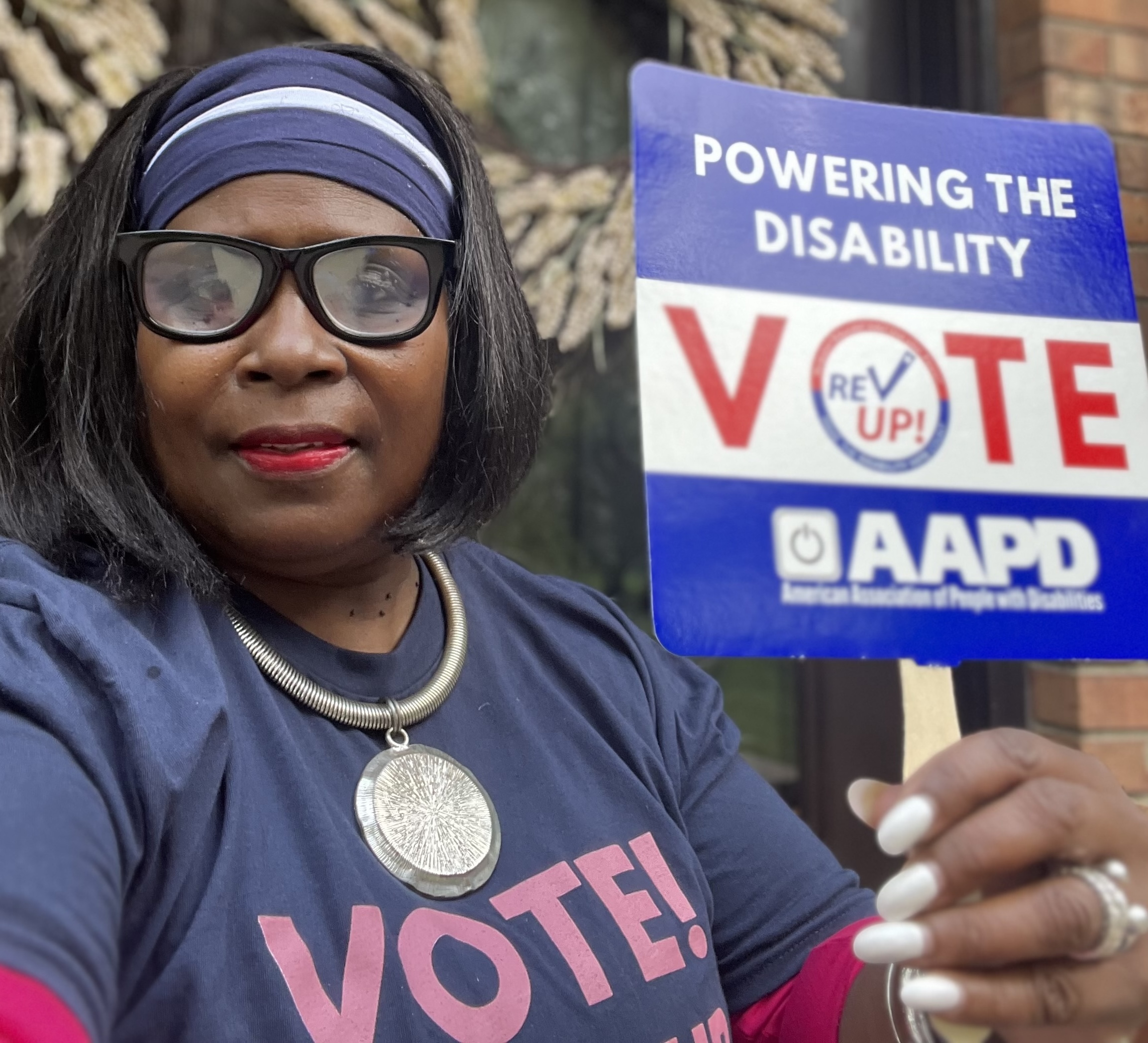
REV UP is a campaign run by AAPD. REV UP stands for “Register, Educate, Vote, Use your Power.” REV UP is a national campaign. REV UP works with people all over the country. REV UP builds the power of the disability vote. REV UP does this at every level of government: local, state, and national. Its goal is to make people with disabilities more interested in voting. It also works to make voting as accessible to voters as possible.
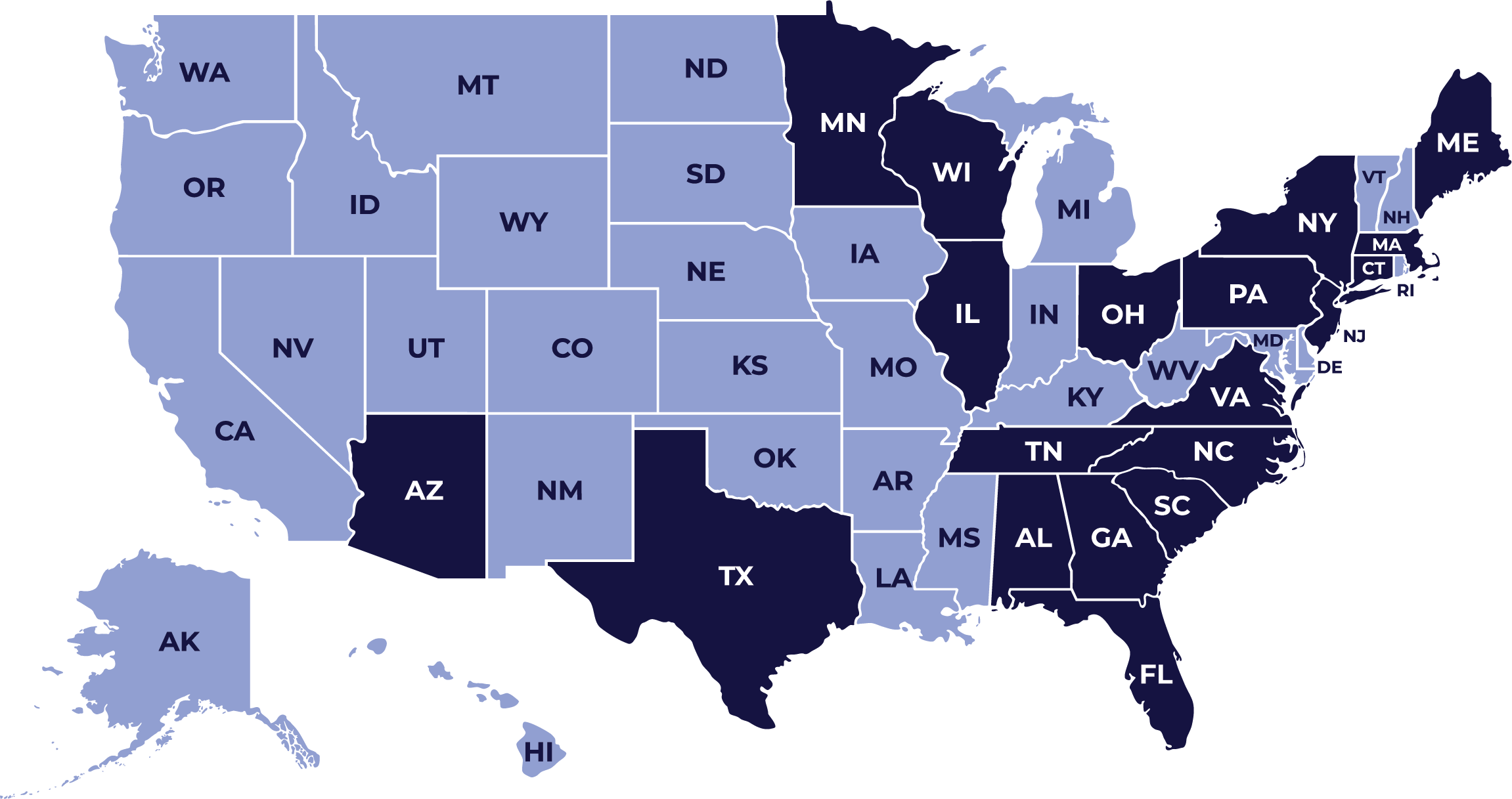
REV UP works by having groups called coalitions in many states. Here are some of the things those groups have done.
Highlights from the REV UP Network:
REV UP Virginia hosted a statewide candidate forum on disability. It was the only event all six statewide candidates attended!
REV UP Minnesota received the National Association of Secretaries of State (NASS) Medallion Award in recognition of its “outstanding outreach to disabled Minnesotans.”
REV UP Texas has registered and engaged nearly 700 voters. They reached disabled voters on college campuses and community events. They even went to nursing homes.
REV UP Maine created ASL and plain language explainers. They were about an important ballot measure in their state.
South Carolina Disability Vote Coalition worked with state election officials. They created the state’s first Voter Accessibility Advisory Committee (VAAC). They did this to improve election accessibility.
REV UP’s work has had an impact across the whole country:
Powered 20 coalitions at the state and local level
Engaged disabled leaders and organizations in 48 states, Washington D.C., and one U.S. territory
Distributed $231,500 to disabled organizers across 24 states and one U.S. territory to support direct voter registration, engagement, and outreach in 2025
Reached over 254,000 voters in 2024 through direct voter engagements, direct mail outreach, rides to the polls, and more
Provided national civic engagement resources for the disability community in eight languages
Visit aapd.com/revup to join your local coalition and use your power at the polls.

In Memoriam
Large community gatherings like this evening are full of joy and fun. But they can also remind us of who is not here to celebrate. We are starkly aware of fellow community members who have died. This feeling is too familiar in the disability community. Community leaders and members often die younger. This is due to things like systemic ableism and inadequate healthcare. But it can also be because of health problems or inaccessible emergency protocols.
We feel the absence of many AAPD founders, incorporators, board members, and community leaders. It would be impossible to name everyone our community has lost. We wish we were hearing directly from Paul G. Hearne and Dr. Sylvia Walker about what it felt like to sign AAPD’s incorporation papers.
We want to hear Justin Dart say, “I love you, LEAD ON!” We yearn for Judy Heumann’s guidance about where to go next in this scary and difficult time for disability rights. We love seeing Stacey Park Milbern on a U.S. quarter, but we’d prefer to see her sitting at one of these tables, reminding us to remain committed to intersectionality and not leave inclusion efforts behind.
Tonight is a testament to the lasting power of their work and lives.
Tonight is also a reminder that our time together as a community is precious.
Thank you for taking the time to spend this evening with us, and for being part of the AAPD community. We are grateful you are here.