
The Access Coalition: Creating More Inclusive Retail Spaces
Dear Colleagues, Stakeholders, and Friends –
We just concluded the first year of The Access Coalition, and I want to take a moment to reflect on the journey we’ve taken to get here, together. I am going to go back further than one year to March 2024 when Starbucks, Walmart, and the American Association of People with Disabilities (AAPD) initially decided that we would try to do something bold in uncertain times: create a shared space where competitors and partners would move beyond compliance and reimagine what accessible retail could look like. We had the foundation of Starbucks’ Inclusive Spaces Framework, and we hoped that by working together, we could transform the retail experience so that it would better reflect the needs of all customers and employees, in particular disabled people. Year One was a year of learning, growth, and collaboration. A highlight of the year was our two-day design sprint in Bentonville, AR, home of Walmart, where we came together to co-design solutions for inclusive restrooms. This work reinforced what we know to be true: accessibility requires human-centered design, constant feedback from people with lived experience, and the recognition that small changes—whether in signage, fixtures, or layouts—can make a meaningful difference.
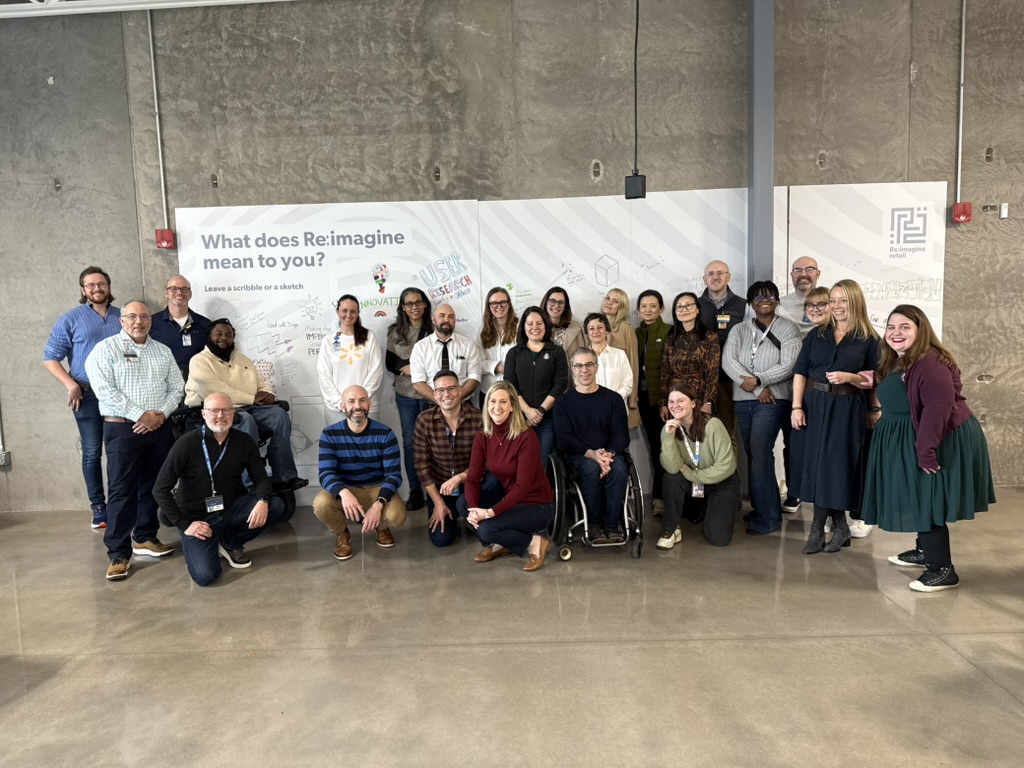
At times, we faced setbacks and progress felt slow. However, together we made big changes and have achieved our goals together. We added to the Inclusive Spaces Framework, building out the restroom functional area. We drafted a playbook to help companies begin their inclusive design journey. And we elevated the Coalition’s visibility and credibility through a successful press release and social media campaign during Disability Pride Month, which generated more than 31,000 organic impressions and strong brand recognition for members. We are beginning to demonstrate that accessibility is not only the right thing to do—it is also good for business, as we will continue to do moving forward.
Our goals are ambitious but achievable for the coming years. We launched a research study to strengthen the business case for accessibility. We will continue to build out and publish future versions of the Inclusive Spaces Framework. We will capture and share case studies of design changes implemented by members. Most exciting, we are launching a feedback community of retail shoppers with disabilities to guide our work.
This first year has proven that what we built works. By putting aside competition, listening to lived experience, and collaborating across sectors, we can design retail environments that are welcoming to all. It has been an honor to be the senior advisor to this work, and I am deeply grateful for your commitment, investment, and trust as we created a successful foundation. Together, we are proving that accessibility is just good business.
Sincerely,
Kimberly Knackstedt, Ph.D.
Senior Advisor
The Access Coalition
February 2026 Release
The Access Coalition is proud to release a suite of open-source tools. These tools provide best practices practical guidance on store layout, sensory considerations, navigation, and customer experience improvements that help create environments where more people can participate fully.
Inclusive Spaces Playbook: A Practical Guide Through the Journey of Inclusive Design
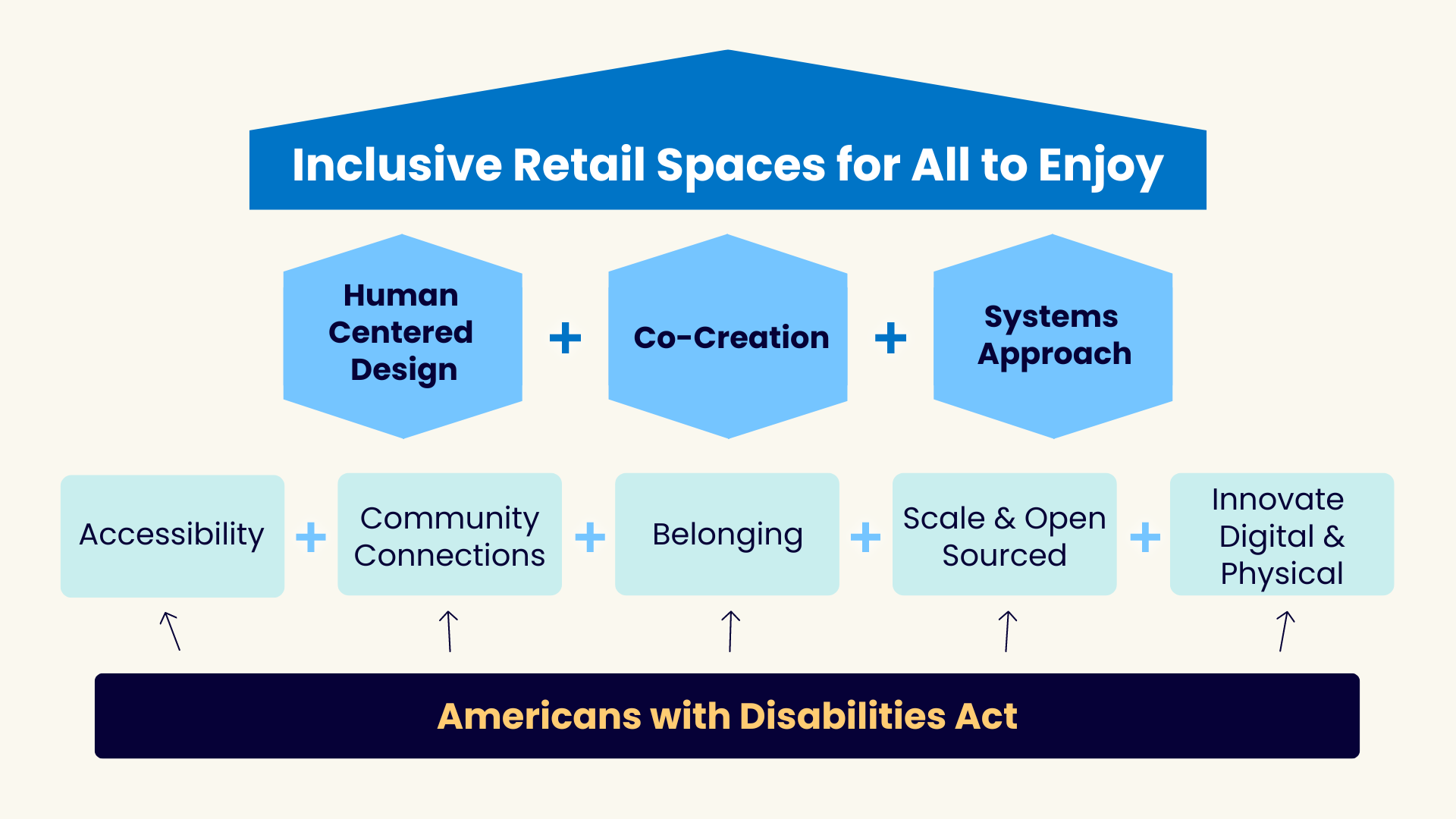
The above graphic demonstrates how the Coalition is building on the foundation of the Americans with Disabilities Act to create more inclusively designed spaces. By bringing together key elements and focusing on human centered design, co-creating spaces, and taking a systems approach, the Coalition seeks to take a more holistic approach to creating an accessible experience.
Background of the Coalition
Inclusive design is not only good for people – it’s good for business. Research shows it spurs innovation, resulting in products and services in demand by the broadest possible audience, and workplaces that attract and retain a broad base of talent—including the historically underleveraged pool of talent represented by the disability community.
In search of design guidance that centers accessibility and inclusion for built retail environments, The Access Coalition launched in October 2024. The objective of the coalition is to create an open-source framework that builds on the strong foundation of the ADA, centered on five principles: human centered design, co-creation, transparency, research & evidence based, and a holistic systems approach to creating an accessible experience.
Our Vision + Mission
Vision: Innovate through inclusive design to include all people in retail and infrastructure experiences and create spaces that reflect the needs of diverse populations.
Mission: The coalition helps retailers and others create inclusive spaces that welcome everyone by building co-authored frameworks, sharing open-source solutions, and proving the business case for accessibility.
Are You a Company Interested in Learning More or Joining?
We can’t do this work alone! We welcome new member companies and are excited to share our ongoing work. Please fill out the information below and the Coalition’s Senior Advisor or the Coalition’s Third-Party Convener will follow up soon.