
Lois Curtis and Elaine Wilson changed the course of my life and the lives of tens of millions of Americans living with disabilities. Curtis and Wilson had psychiatric, intellectual, and developmental disabilities and lived in a Georgia psychiatric institution, Georgia Regional Hospital. Despite medical professionals agreeing they could successfully live in their communities, they were forced to live in the institution. Instead of accepting the promise of freedom “someday,” they took matters into their own hands and sued the institution and the state of Georgia.
On June 22, 1999, the U.S. Supreme Court ruled in the two women’s favor in the landmark decision Olmstead v. L.C., finding unjustified institutionalization violates the Americans with Disabilities Act (ADA). Because of Olmstead, I grew up believing that needing significant disability supports would not determine where I lived or whether I could pursue an education, career, and build an ordinary adult life within my community. (Read more about Olmstead’s legacy from AAPD).
Bob Kafka was a pioneering advocate whose decades of leadership helped build the movement making Olmstead possible. He also founded AAPD’s nonpartisan voting program, REV UP.
In the years since Olmstead was decided, hundreds of thousands of Americans with disabilities have moved out of institutions and into community life. Offices for Civil Rights (OCR) across the federal and government and equivalent groups in many state governments were formed for the sole purpose of enforcing and upholding Olmstead. When the federal government recently began closing OCR offices across all federal agencies and closing complaints, one of the most essential civil rights enforcement entities for community integration disappeared.
Four days before the ruling’s 27th anniversary, the U.S. Department of Justice’s Office of Legal Counsel released an opinion memo stating that the Rehabilitation Act and the ADA do not require states to support people with disabilities or mental illness in the most integrated setting available.
We cannot re-litigate 1999. Nostalgia for the original mandate of the 1990s will not protect Olmstead. The DOJ memo should not push us to defend rights Olmstead already advanced. It should, however, push us toward a clearer North Star by exploring what community integration must mean for the next generation of Americans with disabilities. This North Star will require us to confront a problem Olmstead never anticipated, which is one I know personally.
During the summer of 2026, I traveled from California to Washington, D.C. for a ten-week, nationally competitive disability policy internship. I started planning my out-of-state daily living support months before I left, working with the state system that oversees my services.
Less than 14 hours before my flight, an official denial arrived via email with a subject line that did not communicate its urgency. None of us saw the email before I boarded the plane. Within three days of my arrival in D.C., the agency providing my care was instructed to stop services while I was more than 2,000 miles away from home, simply because my services had not been approved for outside of California.
My father then booked a next-day flight across the country and spent the following weeks providing my 24-hour care. I was 29 years old and my father helped me shower, get dressed, transfer in and out of bed, and navigate each day so I could complete my internship and launch the next phase of my career.
I was actively balancing the professional opportunities of my internship with care coverage appeals, legal filings, and phone calls about my own disability support services. I went to D.C. to spend the summer working in disability policy and was simultaneously failed by disability policy.
Nothing about my disability or support needs had changed. The only thing that changed was my location. Olmstead guaranteed the right to live in the community, but it said nothing about what happens when the location of that community changes.
I believe that disability support service portability is the next frontier of disability civil rights. A person pursuing employment, higher education, or opportunities in another state should have access to clear, reliable processes for maintaining essential disability supports across geographic boundaries.
Geographic restrictions on disability support services create unnecessary administrative and financial burdens for people with disabilities pursuing career and educational opportunities. This requires immediate state-level coordination to improve eligibility verification and service continuity during geographic transitions. Interstate partnerships can build on these efforts, with the long-term goal of establishing federal standards for disability support service portability.
Congress and the Centers for Medicare and Medicaid Services must treat disability support service portability as unfinished Olmstead business. Advocates must demand portability in the same terms Kafka once demanded deinstitutionalization: as a civil right. The rest of us must stop accepting geography as a legitimate reason to restrict the educational, professional, and personal opportunities available to people with disabilities.
Kafka, who passed away in December 2025, spent his life insisting on the disability community’s access to real choices. The next generation deserves a definition of community integration that is expansive enough to support their actual lives.
Editor’s note: If you want to advocate for Olmstead, take action in just a few minutes by using AAPD’s action alert to protect community integration! Our system makes it easy to contact your governor and state attorney general to demand that they commit to upholding the integration mandate and signing the Commitment to Community Integration for People with Disabilities.
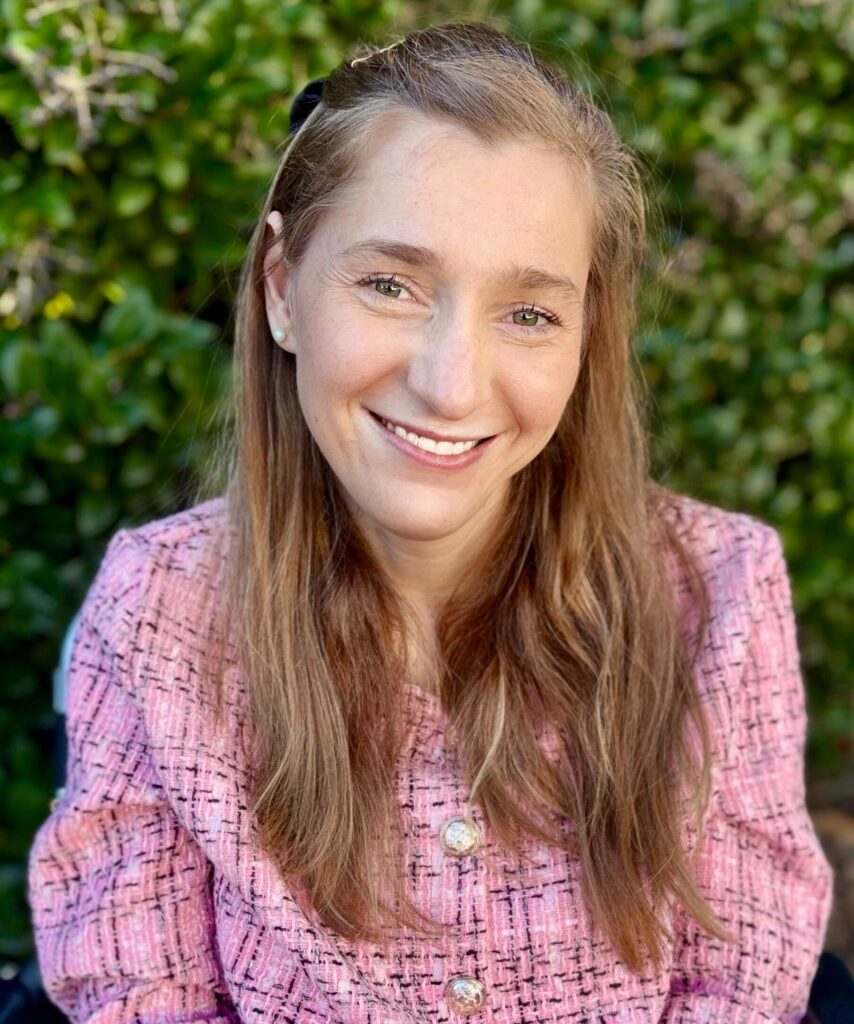
Lilly Grossman is the Founder and CEO of Beyond The Box Advocacy, a nonpartisan disability policy and systems organization working to advance freedom and opportunity for people with disabilities. Her work focuses on structural disability and policy barriers, such as disability support service portability and continuity.